
Why Stretching Isn't Fixing That Tight Hip

"My hips are just so tight" is one of the most common complaints I hear from youth athletes, active adults, or even casual gym-goers. Most people ask "what other stretches can I do?! I can't seem to get relief!"
If that sounds familiar, you’re not alone. And you’re not doing anything wrong. You're probably just misdiagnosing the cause of the issue.

“Tight Hips” Don’t Always Mean You Need More Stretching
When people describe tight hips, they’re usually referring to sensations like:
stiffness
discomfort with movement
pulling in the front or side of the hip
limited range during squats, running, or prolonged sitting
In many cases, the muscles around the hip are functioning in a shortened position—but not because they lack flexibility alone. More often, this shortening reflects a protective response related to weakness, poor load tolerance, or reduced control through available range.
When a muscle isn’t strong enough to control the joint through its full motion, the nervous system may increase muscle tone or limit range as a way to maintain stability. This creates a sensation of tightness, even though the joint and associated soft tissues may be physically capable of moving further.
In other words, the body isn’t restricting motion because it can’t move there—it’s restricting motion because it doesn’t feel prepared or supported when it does.
Why Stretching Feels Good—but Doesn’t Last
Stretching can temporarily reduce the sensation of stiffness by changing how the nervous system perceives tension. This is why stretching often offers relief in the moment.
However, studies suggest that stretching does not significantly change muscle length in the long term, especially when used in isolation. Often, the underlying issue is weakness, poor load capacity, or coordination deficits, which stretching alone won't fully resolve.

This explains why many people experience:
short-term relief
recurring tightness within hours or days
frustration despite consistent stretching routines
Common Causes of Ongoing Hip Tightness
1. Reduced Strength or Load Capacity
Hip muscles that aren’t adequately loaded or strengthened may respond with protective tension. The body often creates a sensation of tightness when it doesn’t trust a joint to handle force safely.
For athletes, this often shows up during periods of high repetition and low variability — long practices, running mileage, skill work, or sport-specific drills without enough progressive strength work to match. The hips are being used constantly, but not necessarily challenged through full, controlled ranges under load.

Strength isn’t just about lifting heavy. It’s about how well the hip muscles can:
control rotation
absorb force
produce power
stabilize the pelvis during cutting, sprinting, or jumping
If those demands exceed what the muscles are prepared for, the nervous system may increase tone or subtly restrict motion to create stability. That protective tension is often perceived as stiffness in the hip flexors, deep rotators, or lateral hip.
In this case, the “tightness” isn’t simply a flexibility problem — it’s a load tolerance issue. Until the hips feel strong and supported during sport-specific demands, the body may continue to guard, no matter how consistently stretching is performed.
2. Demand Shifts from Sedentary Day Time to High Level Performance
Many athletes move between very different physical environments in the same day.
Hours of school, studying, or screen time place relatively low physical demands on the body. The hips aren’t producing force, absorbing impact, or controlling rotation — they’re mostly maintaining a static and shortened position.
Then practice begins.

Suddenly, those same hips are expected to:
sprint and accelerate
decelerate body weight
cut and change direction
rotate powerfully
stabilize under fatigue
That shift in demand is significant.
A quality warm-up isn’t just about “getting loose.” It’s about gradually reintroducing load, force production, and coordination so the nervous system feels prepared for what’s coming next.
When warm-ups are rushed — or focused only on passive stretching — the hips may not get the progressive loading and activation they need. The body may increase muscle tone to maximize stability which is often interpreted this as tight hip flexors or lateral hip tightness early in practice.
In many cases, the issue isn’t that the hips are inherently tight — it’s that they haven’t been adequately prepared for the level of force and control the sport demands.
A well-designed warm-up bridges that gap. It restores range, introduces load gradually, and reinforces stability before high-speed movement begins. The goal of a warm-up isn’t just to break a sweat — it’s to convince the body it’s ready to perform.
3. Compensation From Other Areas
The hip doesn't work in isolation.
It sits between the trunk and the lower extremity, acting as a transfer point for force. When something above or below it isn’t doing its job well, the hip is forced to absorb the extra demand.

For example:
Limited ankle mobility can increase rotational stress at the hip during squatting, cutting, or
landing.
Poor trunk control can force the hip muscles to work overtime to stabilize the pelvis.
Weak glutes can shift load toward the hip flexors or deep rotators.
Over time, this increased demand can lead to protective tension. The muscles aren’t necessarily short because they lack flexibility — they’re working harder than they should to compensate for deficits elsewhere.
Athletes may notice:
persistent hip flexor tightness
lateral hip stiffness
groin discomfort
asymmetry during single-leg movements
Stretching the area that feels tight may provide temporary relief. But if the underlying issue is poor force distribution or motor control, the tightness will likely return.
In these cases, the hip isn’t the true problem — it’s the area signaling that something in the system needs better coordination or strength.
When the trunk, hips, knees, and ankles share load appropriately, the sensation of tightness often decreases without aggressive mobility work.
4. Stretching Irritated Tissues
In some cases, the tissue that feels “tight” is actually irritated or sensitized.
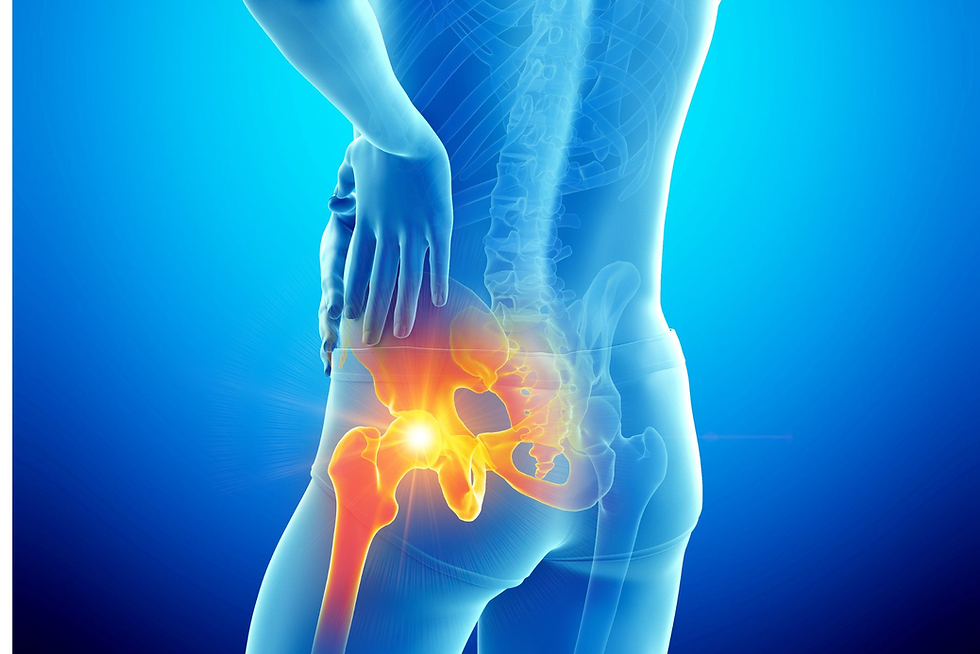
When a muscle, tendon, or surrounding structure is already reactive, repeatedly stretching it can perpetuate symptoms rather than resolve them. This is especially common in the hip flexors, adductors, and lateral hip.
For athletes, this often looks like:
aggressive hip flexor stretching before practice
repeated groin stretches despite lingering soreness
heavy focus mobility drills without associated strengthening
While the intention is to improve mobility, repeatedly stressing an irritated structure can increase local sensitivity. Again, stretching through a load management issue is not addressing the root cause, but can also exacerbate the problem by "tricking" your body out of its protective mechanism.
Should You Stop Stretching Your Hips?
Not necessarily.
Stretching can absolutely be useful — especially when it’s paired with strength, coordination, and appropriate load progression. The problem isn’t stretching itself. The problem is relying on stretching as the only solution.
If hip tightness is being driven by limited load capacity, poor warm-up preparation, compensation patterns, or tissue irritation, lengthening alone won’t address the root issue.
Long-term improvement typically requires:
strength through full, controlled ranges of motion
progressive exposure to sport-specific load
improved coordination between the trunk, hips, and lower extremities
appropriate warm-up strategies that prepare the body for performance
When those elements are in place, mobility often improves naturally — without aggressive stretching. When they’re missing, stretching tends to become a temporary reset rather than a lasting solution.
What Actually Creates Resilient, High-Performing Hips
Healthy hips aren’t just flexible — they are:
strong
adaptable
capable of absorbing and producing force
confident under speed, rotation, and fatigue
For athletes, the goal isn’t simply to increase range of motion. It’s to build a hip complex that can control that range under the demands of sport.
Addressing hip tightness effectively means shifting the question from:
“What stretch am I missing?”
to:

“What are my hips not prepared to handle right now?”
This shift reframes tightness from a mobility problem to a performance preparation problem — and that’s where meaningful, lasting change can begin.
Key Takeaways
If you’ve been stretching your hips consistently without lasting improvement, the issue may not be flexibility at all.

Hip tightness is often a sign that the joint needs better strength, coordination, and load tolerance — not simply more length.
The good news? Those qualities are trainable.
With the right progression, hips don’t just feel looser — they become more resilient, more efficient, and better prepared for the demands of sport.
If hip tightness has been limiting your training, performance, or consistency, it is time to look beyond stretching alone. In many cases, a small shift in how strength, load progression, and warm-up are structured can make a significant difference. The goal isn’t just to feel looser — it’s to build hips that are prepared for the demands of your life.
Need help on where to start? The Performance Lab is ready for you. Call/text 980/202-1280 or email us at info@theperformancelabclt.com and let's chat!


Comments